Friday, September 18, 2009

Control Sinners On A Weekend Away

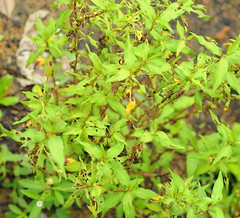
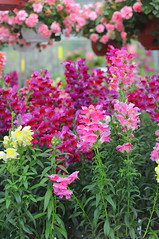
Bloomin' Lotus
In the garden, the lotuses are blooming but we're off for the long weekend.
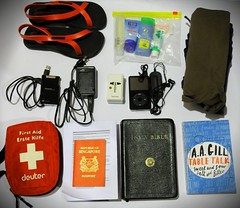
In the backpack
Woohoo, here we go! Oh, them undies are missing again.

We just can't let go. We need to know and we need to plan and we need to manage.

We need to "know the truth" about our destinations before we leave:
Trip Advisor
Lonely Planet's Thorn Tree Forum
Travel Fish (for SE Asia)
National Geographic's Intelligent Travel
Conde Nast Traveler

especially recessionistas:
Budget Travel
The Frugal Traveler

Those with a slightly higher travel budgets who find the luscious Luxe City Guides too generically chatty need personalised travel guides:
traveldk.com
Offbeat Guides
Tripwolf Travel Guide

Photosynth might give us panoramic visuals on the place.

If we've only got a window within which to take our vacation, then Joobili is our friend.

We want to search for things to do in the city according to our mood: ifeelearth

We need to know the current exchange rates:
XE Universal Currency Converter
Oanda FX Converter

and the weather:
World Reviewer Holiday Weather Guide

We need to ensure the efficient use of luggage space:
The Universal Packing List
One Bag

We need to know that we have the most direct flights for the best price:
priceline
wego (HT: Popagandhi
)
Kayak
Airfare Watchdog
Misa Travel

and predict where those airfares are headed:
Farecast

We need to know the quality of the airlines and their inflight meals. We want to choose the best seats:
Airline Quality
SeatGuru
Airline Meals (not updated)

We need an online check-in service to schedule our check-ins to get the seats we want:
Check me in

We need to know the best places to spend lay-overs in airports:
Airport Privacy Havens

We need to know our flights will arrive:
Delaycast (offline for now)

and have someone tell others when we have actually arrived (physically in bodily form of course, not in a status-referential way - that's so 1980s):
ArrivedOK

We also need our transportation from the airport facilitated:
Hitchsters
London Luton Liftshare

We need to make sure our frequent flyer miles are put to the best use:
WebFlyer

and that our tax refunds or financial compensation for delayed flights don't remain unclaimed:
missrefund
EUclaim

or that we can sell our unused airplane tickets:
Re-ticket

Or, if we are travelling by old skool trains, we need to know the best rail journeys:
The Man in Seat Sixty-One

Even before reach our destination, we need to know the best places to lay our bodies and the best price for taking up space:
Late Rooms
Mr & Mrs Smith

choose the perfect room for ourselves:
TripKick

and to get some visuals on the hotels and the rooms:
SeeYourHotel
Trivop

For those who prefer crashing in strangers' homes or camping in their backyards:
CouchSurfing
GlobalFreeloaders
Stay4Free
The Hospitality Club
BeWelcome
Servas
Roomorama
airbnb
Single Spot Camping

For those who want/need to sleep in airports:
The Guide to Sleeping in Airports

We need directions on-call:
GPS
Google Maps
BreadCrumbz
WalkIt (Obviously, this is a rather UK-centric site.)
Simpatigo

Bonus points from the Authenticity Movement if they come hand-drawn and with insider tips:
A la carte maps

We need to make sure that we continue receive real-time updates from our contacts:
Twitter

and that we are kept informed in a crisis:
Ushahidi

and if necessary, we want to actually talk to anyone in the world for cheap:
Skype
Jajah

And why not keep track of all our travel research and have our trip itinerary well-organised:
gliider
Tripit

and have a soundtrack to go along:
Amplified Journeys

Naturally, this listing is primarily for my own convenience. Intrepid global nomads, info addicts, map maniacs, ADD wired-and-plugged-ins love these life hacks and other mod-cons for iphones (not quite perfect knowledge nor available internationally yet but getting there) because they make us feel competent and that our time and resources are being used efficiently, which is good, but they also encourage us to think we are in control of our lives, which is not so good.

Usually, it takes a plane crash or an unexpected hostage situation in a hotel to remind us that no, despite our meticulous planning, we are not in control of our vacation, nor infact, any part of our lives, really. Yet we persist in thinking that studying hard and working even harder will secure our future; we think cutting carbon emissons will save the earth; we think savvy economic policies will bring prosperity for all.

So even those of us who ought to know better still make an idol of attempting to assert complete control over our lives so that things will pan out exactly as we want them to. To that end, we manipulate and dominate and exaggerate and lie; we wear ourselves out with busyness and frustration; our waking hours are choked with preoccupations and worries.

Yet we forget that the God we claim to worship created the entire universe with a word. He marked off the heavens with the breadth of his hands (Isaiah 40:12). He sustains all reality with the power of his word (Hebrews 1:3). Nothing is outside his control. He works out everything in conformity with the purpose of his will (Ephesians 1:11). He directs the hearts of kings like a watercourse, in whatever way he chooses (Proverbs 21:1). And he has promised that all things will act for the good of those who love him (Romans 8:28).

So our problem is a lack of faith. But there should be no lack, for it is not blind faith that we are asked to have, but faith based on facts so solid that unbelief is unreasonable and absurd.

How can one giving serious consideration to Jesus' acts on earth, as recorded in Chapters 8-9 of the Gospel of Matthew, fail to hail him as lord and Chief Controller? We can scarcely even obey already fall far short of the tenets laid out in the Sermon on the Mount (Matthew 5-7). So we can't even exercise complete control over ourselves. And can we control the body of another so we can distance-heal the sick? Can we command a paralysed man whose muscles have atrophied from decades of unuse to pick up his bed and walk? Are we so in control of nature that we can tell a storm to bugger off? Do we have dominion over life and death so that we can bring the dead back to life? (Matthew 8-9)

No?

Oh,
and which of you by being anxious can add a single hour to his span of life? If then you are not able to do as small a thing as that, why are you anxious about the rest? Consider the lilies, how they grow: they neither toil nor spin, yet I tell you, even Solomon in all his glory was not arrayed like one of these. But if God so clothes the grass, which is alive in the field today, and tomorrow is thrown into the oven, how much more will he clothe you, O you of little faith! And do not seek what you are to eat and what you are to drink, nor be worried. For all the nations of the world seek after these things, and your Father knows that you need them. Instead, seek his kingdom, and these things will be added to you. (Luke 12:25-31)
There is a place for planning for the efficient use of resources and the direction of one's life. But let us remember that all our scheming will come to naught if it is not God's plan for us. And actually, we already know God's plan for us, so why not spend our lives in the most efficient way possible by using our resources for the objective already laid out before us - coming into saving relationship with his Son and seeking God's kingdom.

Labels: ,

Monday, August 24, 2009

Weekend of Contentment and Philippians 4:10-23

A hot lazy start to the weekend.

Cataloguing garden growth*:

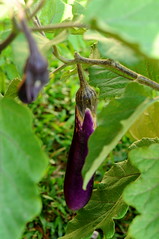
Working the garden: brinjal
Brinjal plant: alive and fruiting.

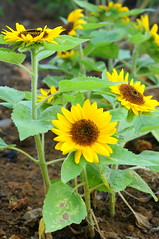
Working the garden: sunflowers
Sunflowers: alive and flowering.

Some Chinese New Year plant: dead and unidentifiable.

Blueberry - Black Tea - Yoghurt Popsicles
Too sweltering for food -> blueberry-black tea-yoghurt popsicles based loosely on a People's Pops' recipe:
1 cup water
1 cup sugar
1 big bag of T2 orange pekoe with an attitude
2 punnets blueberries
2 limes from far too fruitful backyard lime bush
200g yoghurt

1. Make simple syrup with water and sugar.
2. Soak tea bag in simple syrup.
3. Blend blueberries.
4. Pour tea syrup into blueberry muck.
5. Stir in lime juice and yoghurt.
6. Divide into popsicle moulds and freeze.
Crab Flower Club - Unveiling of Footwear Crab Flower Club - Footwear Unveiled
Unfortunately, a popsicle-fast meant that tummy growls would later accompany Darren Ng's soundscape at Toy Factory/Goh Boon Teck's The Crab Flower Club restaging, an interesting presentation of the insecurities that beset older women and perhaps the ultimately false optimistic certainty of youth.

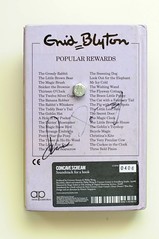
The "cover" for Concave Scream's Soundtrack for a book CD Concave Scream's Soundtrack for a book Concave Scream's Soundtrack for a book
The heat broke overnight and a rainy afternoon ensconced at Kith Café was perfect for a read-through of Mark Ashton and Phil Moon's Christian Youth Work, fuelled by good coffee and accompanied by Concave Scream's Soundtrack for a book. A fantastically good reminder that insecurities and discontentment haunt all ages.

From Philippians 4:10-23 we get a sense that gospel ministry is like farming or gardening. Unlike the assembly-line process of, say, giving new life to old Enid Blyton books, growing disciples of Christ is a long-term commitment. And still, ministry is far more than farming or gardening because of the great affection ministers of the gospel ought to have for the people whom they serve. Because Paul has experienced the love of God, he loves the Philippians (Philippians 2:12, 4:1) with that same love. He thinks and prays for them every day (Philippians 1:3-4), rejoices at their salvation (Philippians 2:17), longs for them (as does Epaphroditus (Philippians 2:25)), and is anxious to hear news of them (Philippians 2:19).

Pop culture through the ages (didn't Dante make his name on this?) will have us know love makes one vulnerable to all manner of hurts brought on mostly by slights, real or imagined, on the part of the beloved. Plethora of insecurities ensues, tears recriminations emotional and psychological trauma to follow.

But we find that Paul, far from being a nail-biting bundle of nerves in that Roman prison/under house arrest, is serenely secure and content. Accompanying the clanging of his chains is not the sound of settling (for whatever can be obtained at present) to the detriment of youthful ideology and the hopes and dreams of yesteryear or the zen silence of non-attachment; it is the solid base note of his dependence on Christ that makes him secure and content.

Paul has learned to be content in all situations (Philippians 4:11), a great picture of a heavenly citizen whose contentment flows from having a heavenly home secured by nothing less than the blood of Jesus Christ.

Paul is a man just like ourselves, a sinner saved only by the grace of God, with a nature distorted by sin and subject to all the pressures of this world: persecution, loneliness, rejection, opposition, weakness, temptation etc. Yet as he faces the trials of gospel partnership, abandonment by those to whom he has preached the gospel, imprisonment and most probably death, he claims he can do all things through Him who strengthens him (Philippians 4:13).

All things? There would be no dramatic prison break, nor magnificent display of power with fireworks to the glory of God at the tapering end of Paul's life. Elsewhere, he even complains of a thorn in his flesh that caused him great suffering that he could not be relieved of. What Paul must mean here is that just as all Christians start their new lives, so he can continue in complete trust in God in every circumstance, whether he has been brought low or abounds, enjoys plenty or faces hunger, is in abundance or in need (Philippians 4:12). He is content because he can trust Jesus to provide him with everything he needs to do the most important job - the task of ministry. In fact, Paul will only be able to do any work at all in Him or through Him who strengthens him.

(A week ago, we were discussing whether being trained in the medical profession might have better equipped us for mission work especially in creative access countries. Perhaps the answer is that God has equipped all of us, regardless of the perceived uselessness of our training or of our very selves, for every good work, in every circumstance. He used the eccentric, tone-deaf, painfully shy, incompetent gospel speaker Eric Nash (aka Bash) to convert a few who would later go on to preach the good news to many many others. Should we be surprised? The last anyone checked, the God we're speaking of created man's mouths, minds, entire beings, as well as the rest of the known (and unknown) world. He will give gifts of talent and circumstance as he chooses but they (our successes and failures, our charismatic or prickly personalities, our jollity or depression, our joys and sorrows) are all given that by them, we will bring glory to God. As John Piper might say, Don't Waste Your Cancer.)

Because of this rock solid security, Paul is, in that way, independent of the rest of the church. He does not bop up and down with the tide. He can and will go on preaching the gospel whether or not he, the ox, is fed.

But he praises and encourages the giving of the Philippians because it increases to their credit (Philippians 4:17) not to Paul's; God does not deal in pyramid schemes. In the present, the Philippians are expressing responsibility for gospel ministry financially and demonstrating with their wallets where their minds and hearts lie: in God, in God's work and in the coming of Christ. Though the money given is given to another human, Paul describes it in first rate OT sacrifice terms as a fragrant offering, a sacrifice acceptable and pleasing to God (Philippians 4:18).

Strong arm, guilt-inducing tithing tactics are useless for building up the church. The reluctance with which we part with the earthly goods given to us by God should be warning enough of our lack of eternal perspective and deadly short-sightedness.

And as Paul affirms his trust in God to provide for his needs, so he too encourages the Philippian donors to keep trusting in God to meet their needs (Philippians 4:19). The Philippians were far from rich. 2 Corinthians 8 suggests that rather than the amply-supplied dropping their after-tax excess into the donation box, these people were like widows giving their last coppers; they gave out of their poverty. But the promise is that God will supply their needs out of his riches. Don't cling on to those last few possession, keep giving for the gospel because that is all you care for, and God will provide for your needs. This requires trust because they will only keep giving generously if they trust him.

Looking back at all the humans forming the links of the chain to our conversion, we can thank God for the people who nervously answered our scathing questions, who kept up the friendships inspite of not-too-subtle jibes at their lack of intellectual rigour in believing so wholeheartedly in a God, who gave so that we could hear the gospel at that Christmas party or at the talk we went to because we were bored and heard that the food was good.

Because the Christian life is no walk in the park, and because God alone supplies all our needs, let us keep trusting and depending on him in prayer that in our physical need, our good health and bad, our financial abundance or pressure, our fears, our overflowing sin, our lack of courage in proclaiming him, he will enable us to live for heaven, only for his glory, the only reality.

Kith Café
7 Rodyk Street #01-33
Watermark @ Robertson Quay
Tel: 63419407

*no, this has nothing to do with the current trend, after CSA boxes, to urban agriculture, city yard farming and yuppie apiaries.

Labels: ,

Wednesday, April 02, 2008

Tending the Garden, HortPark, Kha Restaurant and Thanksgiving

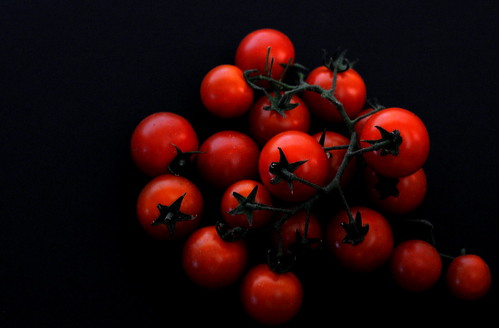
Cherry Tomatoes on Vine
The happiest days of my childhood were spent in the house garden. Being a Singaporean garden not given to pretension, not for her the niceties of harmony, patterning, fractals, visual jokes, anticipation of colour, and historic styles of classic garden design theory. The choice of vegetation probably hinged on the question: "Can eat anot?" In a back-corner, mangoes, deep yellow and fat and sweet, hung down heavy and luscious. In another, rambutans were red and abundant. We collected them by the basket-full and there was always plenty for neighbours (and mynas). Less popular with the humans but no less bountiful were the chikus and papayas.

In the front garden, when the frangipani flowers were out, the air was sweet and soft. There were rows of ixora bushes wonderful to hide in and suck at nectar-filled flowers while waiting to be found. And there were 2 great trees: a giant pine grand and stately that could be seen for miles around and an equally towering bottlebrush tree which snowed red feathery brushes on the grass below.

Mostly, I remember dappled sunshine, butterflies fluttering about pollinating, sparrows hopping around in the grass, woodpeckers pecking intently at the rambutan tree (an early prognosis of a wormy end for her) and sunbirds building hanging nests in the bougainvillea. Sometimes caterpillars would drop on our heads and we'd put them in old jam jars away from predatory birds and watch weave cocoons around themselves and weeks later, emerge as butterflies.

Our garden was a haven for stray animals. Running about, we'd startle a cat or two napping in the bushes. Sometimes, there were dirty once-white rabbits without waistcoats looking for wonderland. Other times, chicken eggs nestled in shoes that we'd forgotten to put in the cupboard.

And there were snakes of course, whose existence no adult would acknowledge until, to prove the non-existence of an alleged snake, they'd prod a suspect shadow which never failed to slither away reluctantly.

The years in England, with her rabid flower shows, her thick Sunday newspaper supplements helmed by gardening experts arguing over gardening techniques and heirloom vegetable species, her cottage gardens overflowing with huge roses, her petitions for the preservation of historic vegetables, her thoughtful essays on the gardens of Cecil Beaton, Roy Strong and Vita Sackville-West, were a marvellous joy. In our ramshackle house off campus, I had the luxury of a blue door in my room that opened, like a portal in a fairytale, to the little garden outside. In summer, we sat and read on the grass in the sunshine amongst the butterflies and flowers. In winter, I hung out seed-feeders on naked tree branches for needy birds and bushy-tailed squirrels.

Back in Singapore, somehow, over the years, the family acquired and never got round to discharging the services of a Pol Pot gardener with a perchant for mowing over anything on the ground that hadn't attained tree or shrubbery status, the most recent victim being a curry plant. Those Knights of Ni sure knew a thing or two.

In the last year, there have been attempts to cultivate a culinary plot in an empty patch. Not Francophile potager, not renaissance herb garden, but a fairly random mix of useful plants. The aloe vera, lime and basil still live but the rest of the seedlings which hadn't had gone under the Pol Pot blade have perished either in the extremely waterlogged soil from the past weeks of incessant showers or in the the extreme heat that followed.

So it was with some excitement that we wandered over to HortPark, lured by the promise of a one-stop horticultural hub. We opened the car door and were immediately beset by a cloud of hungry mozzies and the stench of fertilizer. The whole garden smelt of fertilizer. Big bags of it lined the footpath. And the footpath wound past balding grass patches and what looked like cheesy leftovers from GardenTech 2007 that shouldn't even think of getting anywhere near the Chelsea Flower Show.
HortPark - Herb and Spice Garden
The pests had gotten to the herb and spice garden first so there wasn't much to see there. A little distance away, children ran screaming round the little playground, chased by a security guard bizarrely yelling,"No running in the garden!"
HortPark - Flowering plants in greenhouse
The good stuff, the riot of colours, was safely encased behind glasswalls at the greenhouses at the end of the park.

HortPark - Kha
(Dinner at the modern thai cuisine restaurant, Kha, was great. The unique juice mixes (pomegranate and jambu) recommended by their inventor were refreshing. And after all that looking around in Bangkok, we finally got a tom yam soup with body and just the right balance of spicy and sour in Singapore. The "medium hot" red duck (chicken?) curry grilled with pumpkin was smokily tender. And hooray good sticky rice and mango with pandan coconut sauce and black sesame seeds! Later, all the air-kissing was explained by the restaurant being the progeny of Yenn Wong's JIA Boutique Hotels group. Wonderful menu by David Hamilton, head chef - Kunchit Srimuang.)

But back to brown-thumbing. We have been trying to grow cherry tomatoes. Since HortPark wasn't quite as advertised, I have started eating my way through the supermarket offerings to find suitable sires. Why bother, asked the colleague. I suppose there is an indescribable satisfaction in cooking and eating the produce of one's garden; to seed, grow and harvest; to smell and touch the food at all stages. Nigel Slater's leading the celebrity chef pack with a soon-to-air series on recipes featuring food from his rather bountiful garden. Perhaps when Jamie Oliver and Nigella Lawson (however unlikely) hop on, community gardens might take off in Singapore and no one will ask "why bother?" because the answer will be glaringly obvious.

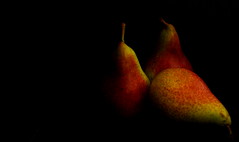
Sugar Pears
In fresh produce sections everywhere, there were mounds of blushing abate fetel pears. Breathing in their sweet ripeness, it was difficult not to admire their inherent medieval beauty. Pear tree mortality in Singapore, however, would be high even sans Pol Pot gardener.

So far removed from the food cycle are we urbanites that we forget that the growing of even basic food is a miracle, a repeated phenomenon of success against all odds. From the sprouting of seeds to their strong and healthy growth to the need for the right proportion of water, soil type, nutrients and sunshine, to protecting against weeds and pests, to the regulating of temperature...there are few things that more obviously and consistently spotlight our lack of control of our very existence. It is no wonder that the people in the agriculturally-intensive times before pesticides, greenhouses, hydroponics and other farming technology, were acutely superstitious. They faced, on a daily basis, the reality that they could not ascertain their supply of nourishment, and so neither too, their continued survival.

And even now in the age of advanced science, the missions carried out in Biosphere 2 (the reports read like episodes of Survivor) and The Eden Project continue demonstrate the delicate complexity of the systems that support agriculture and animal husbandry and their extreme vulnerability to unplanned events, systems that we have taken for granted and have so far failed to replicate.

Through the years, I have held off saying grace before meals, attempting to avoid the religious conceit that so often accompanies rituals. Yet, thanksgiving is only appropriate when we consider how the food before us arrived on the plate.

If we get what we deserve, if the meat, vegetable, starch and sweets are only a result of our hard work and superior brainpower, then there would be no need for thanksgiving because we would have received the due payment for our labours.

But we know we can't claim the credit for it. There is a Creator who created the world and everything in it. Genesis 1 waxes lyrical about his thoughtful moulding of this awesome place we live in. And the Creator of the world also sustains it: he causes the sun to shine and the rain to fall and the plants to grow, he provides food for the animals and gives man both plants (Genesis 1:29) and animals for food (Genesis 9:3). How can we neglect to thank him for all this?

It would be terribly unwise to care more about our diets than about the source of our food, to adhere to Atkins, South Beach, gluten-free or other dietery regimes without a thought about the person who gives us life and health.

What Would Jesus Do? Thanksgiving was a huge part of what he did while he was on earth, yet we dare to consider this a mundanity unworthy of our attention. What is the will of God for me? we ask, but ignore the stated will of God for us to give thanks not just for food but for everything in all circumstances (1 Thessalonians 5:18).
You say grace before meals. All right. But I say grace before the concert and the opera, and grace before the play and pantomime, and grace before I open a book, and grace before sketching, painting, and swimming, fencing, boxing, walking, playing, dancing, and grace before I dip the pen in ink. (G.K. Chesterton, who might have had a point there)

HortPark
33 Hyderabad Road, off Alexandra Road
6.00 am to 10.00 pm

Kha
HortPark
33 Hyderbad Road


Labels: ,

Friday, September 15, 2006

Rain and Strawberry Jam

The day was grey and cold and it rained and rained and rained, not hastily, not blusterously, but languidly and steadily the thunder rolled and the water come down, as if they had all day (they did). Unhurried Friday rain. Lastdayoftheworkweek rain.

"Il pleut," she murmured sleepily, cocooned in the mellow tenderness of Kings of Convenience. "Il pleut sur la ville," she said, for Artur Rimbaud not Émilie Simon,"il pleut doucement sur la ville."

It was the right weather for jam-making, and from the kitchen drifted the heady sweetness of ripe strawberries simmering, sweet like the fresh cottoncandy breath of hot summer days, sweet like the syrup of soaked sunshine and green fields forever. This voluptuous dark red happiness we bottled in old jars, for ourselves and for sharing with friends, luscious berry goodness to be taken out and spooned onto hot buttered toast for many not nearly enough rainy days to come.
When the world's 'all as it should be'
Blessed be Your name
Although we had no claim, you held out your hand of mercy to us, that we might be saved from the pain and death that we deserve for all our work on earth to delight in you and your creation forever.

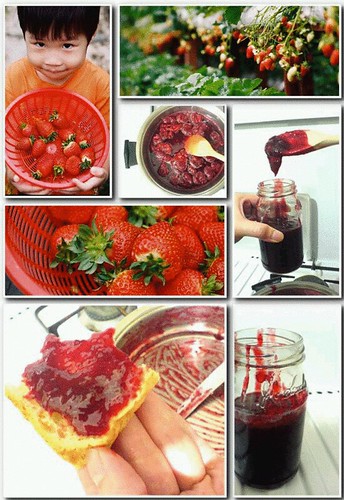
How Strawberry Jam Is Made
Making Strawberry Jam
1. Wander into a strawberry farm.
2. Employ free child labour.
3. Liberate sugar from the hotel breakfast table.
4. Store strawberries in an empty mineral water bottle and cover with a thick layer of sugar.
5. Allow strawberries to macerate in their own juicy sweetness for the entire daredevil ride home.
6. Add more sugar and a squeeze of lemon and simmer in a pot.
7. Voilà! Un pot de confiture de fraises!
8. Crowd around the pot to wipe up last dredges of jam with pieces of bread.

Labels: , ,

Sunday, December 05, 2004

Farm Dream

Wandered through the ulu lanes of Lim Chu Kang where the air was cleaner and easier to breathe (except when the wind blew in the distinctive smell of bovine dung) and ended up at “Poison Ivy” for lunch. “Poison Ivy” is a café on a 10-acre organic farm (called “Bollywood Veggies”) run by the indomitable Netball Singapore president Ivy Singh-Lim and her husband. Sitting there with the sun shining on our faces, a sea of fresh healthy green plants on either side, and a silence broken only by the faraway chirping of birds and rustling of leaves in the light breeze, I dreamt of a place of my own: waking in the cool crisp dawn, showering alfresco, warmed by the rays of the rising sun, pottering around feeding the chickens, ducks and turkeys and the fish in the pond, picking up the fresh milk from my doorstep, scenting the morning air with freshly-brewed coffee, having a slow breakfast while reading the papers… But money used solely for something only I can enjoy seems too much of a waste. It would be difficult to see how such a ulu place could be used for ministry; it’s far too difficult to get to for bible study or evangelistic events. The time is short and getting the gospel out to people is far more important and urgent than wasting my saved life lounging around on a farm in selfish enjoyment.

We passed another organic farm and picked up some bread and freshly-plucked veggies and herbs there and bottles of fresh milk from a nearby dairy on our way home, gleefully refreshed by nature.

Labels: